

Through The Darkness
Reflection
What went well
- Successfully designed and released a complete accessibility-focused solo project game.
- Created a game which the blind, visually impaired, and sighted players could complete.
- Used regular playtesting to refine gameplay and improve the overall gameplay experience.
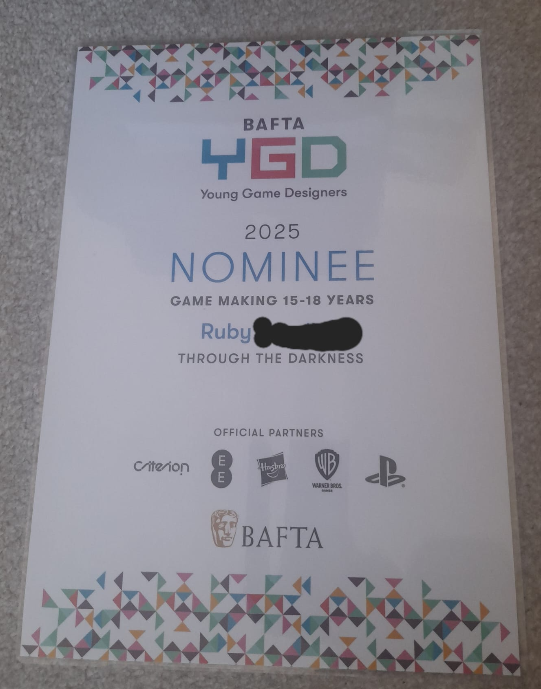
- Got a nomination for the 2025 BAFTA Young Game Designers Game Making Award, as it got recognised for its accessible design.
What I learned
- The designing for accessibility is most effective when it's considered from the start of developing the game rather than added afterwards at the last minute.
- Regular playtesting and player feedback are good for identifying issues and improving gameplay.
- The project strengthened my Unreal Engine skills, particularly in gameplay programming, audio implementation, and building the gameplay systems.
- Completing the project solo improved my confidence in taking a game from concept to release.
Future improvements
- Improve the reliability and consistency of the haptic feedback system.
- Replace the temporary music from OpenGameArt with an original soundtrack.
- Improve the narration by collaborating with a voice actor or improve my voice acting skills.
- Add more levels and new gameplay challenges to increase replayability.
- Expand accessibility options further by adding audio customisation and controller settings.
Skills Demonstrated
- Gameplay Programming (Blueprint Visual Scripting)
- Unreal Engine 5.4
- Accessibility Design
- Audio-Based Gameplay Design
- Haptic Feedback Implementation
- UI Design
- Level Design
- Iterative Design
- Rapid Prototyping
- Player Playtesting
- Problem Solving
- Solo Game Development
- Project Planning
- Gameplay Balancing
- Audio Integration
- User-Centred Design
- Technical Debugging
Feedback & Improvements
I overall had positive feedback for this game. Some people said that it was a unique game with a unique game mechanic and it was nothing like they have ever played before.
Originally the game was going to be in first person perspective, however after playtesting and feedback, this was changed to a top-down perspective, as it made game design and gameplay easier to work with than how it was before.
The flare mechanic was added after feedback, as a mechanic to help players if they are truly stuck. This doesn’t truly take away the theme of the game, as the mechanic is very limited in numbers so players must use it wisely.
Challenges
The main challenge was creating a game that players could complete without relying on visuals.
To achieve this, I removed the visuals entirely and designed the gameplay around audio and touch. Players must navigate the game by following the sound of music, while haptic feedback communicates collisions with the walls in the maze. The gamepad became the primary control method because haptic feedback was essential to the experience and could not be done through keyboard controls.
The idea was developed from an earlier prototype where players followed the sound of music which was coming from a gramophone, and players were tasked to find that gramophone in the gameplay. I expanded this concept by combining audio guidance with haptic feedback, creating two complementary feedback systems that allow players to navigate using only hearing and touch.
This approach allowed the game to be accessible by design rather than through optional features. Through The Darkness was later recognised by BAFTA and was made a BAFTA Young Game Designers 2025 Game Making finalist for its accessible and innovative gameplay approach.
Development Process
14 February–19 March 2025 – BAFTA Young Game Designers
Submitted Through The Darkness to the BAFTA Young Game Designers competition, where it was selected as a nominee.
14 February 2025 – Final Polish
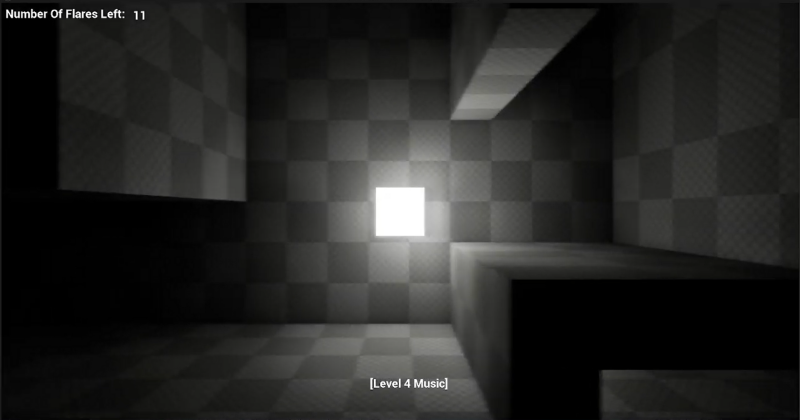
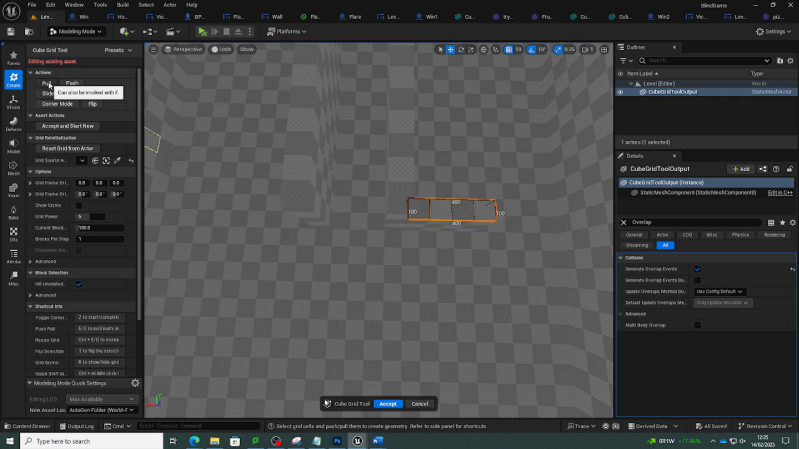
Completed the fourth level, polished the UI, balanced the gameplay and prepared the game for release on Itch.io.
12 February 2025 – Accessibility & Gameplay Updates
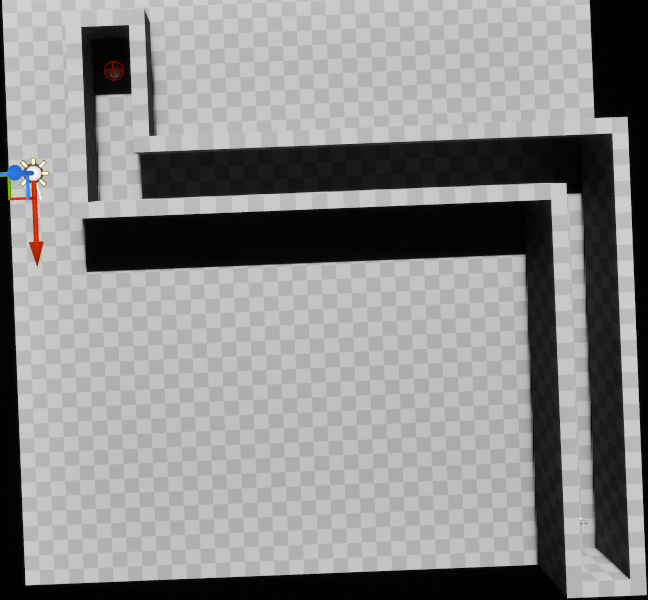
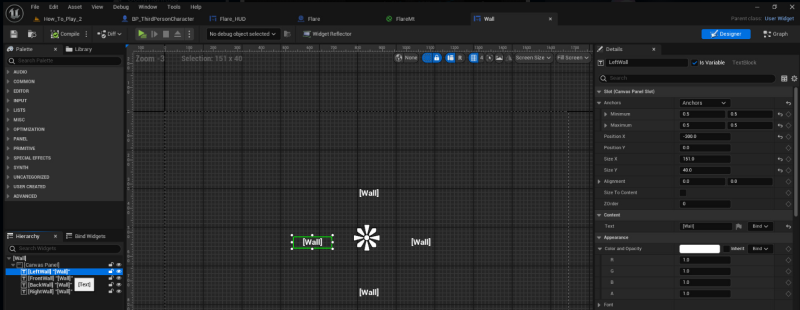
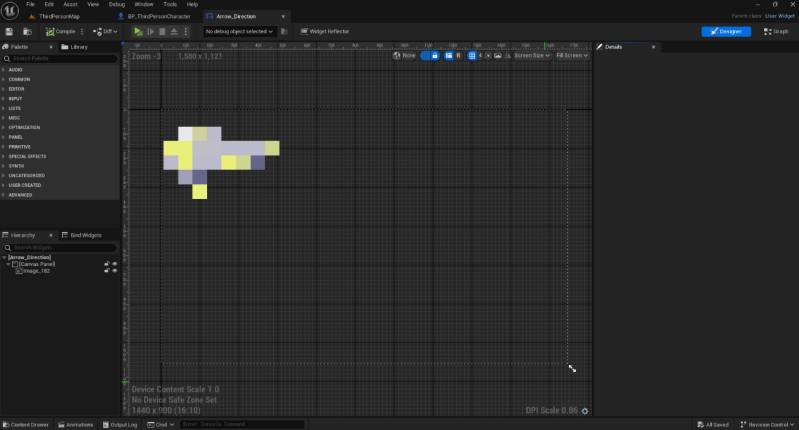
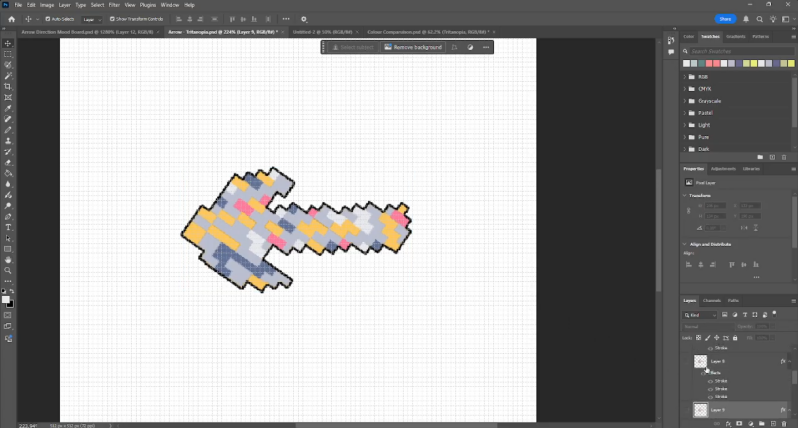
Added subtitles, refined haptic feedback and audio systems, and introduced the limited-use flare mechanic following playtesting feedback. Considered the rrowe mechanic, but ultimatily scrapped it due to development complications and I felt that the arrow undermined the theme of the game.
4–13 February 2025 – Major Design Iteration
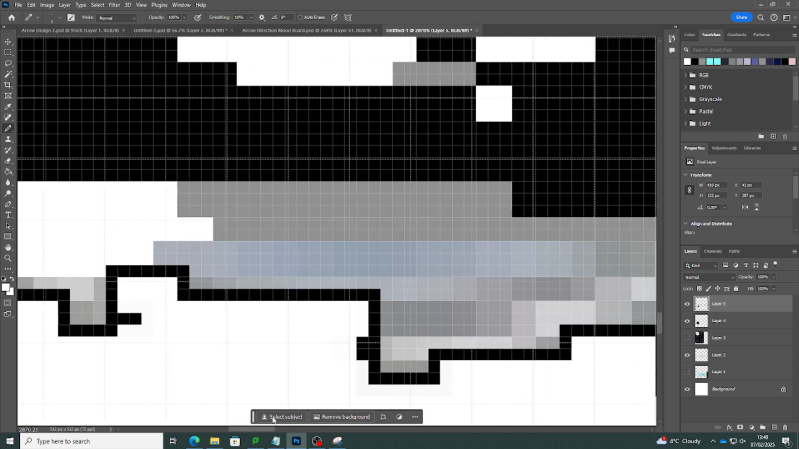
Iterated on the project following player feedback, changing the game from a first-person to a top-down perspective and improved the first level. Also made a few arrow designs, following player feedback, as players wondered if an arrow direction system could possibly be helpful during gameplay.
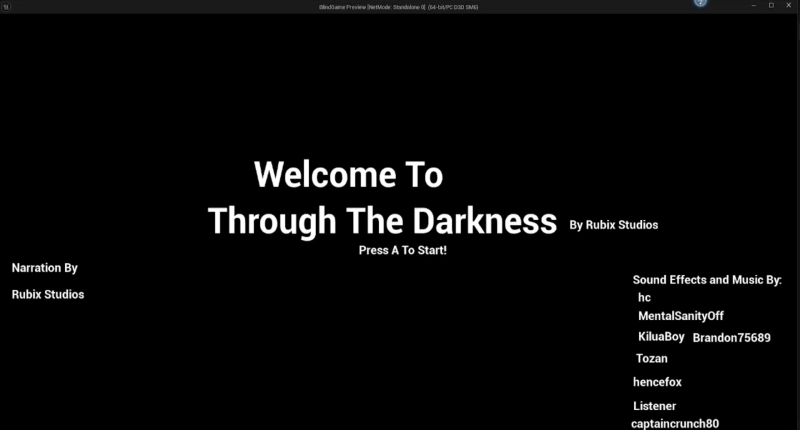
30–31 January 2025 – Accessibility Testing
Explored accessibility features such as scalable UI, high-contrast mode and colour-blind options, refining the feature set through testing.
23 January 2025 – Early Playtesting
Conducted initial playtests and implemented the first audio navigation system based on feedback.
14–21 January 2025 – First Prototype
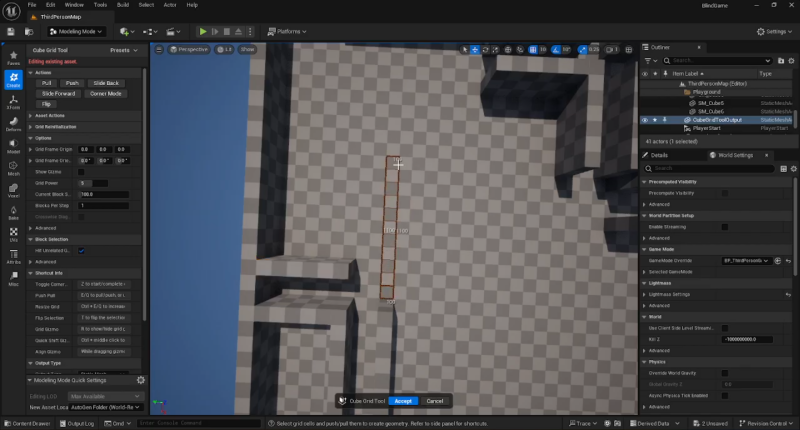
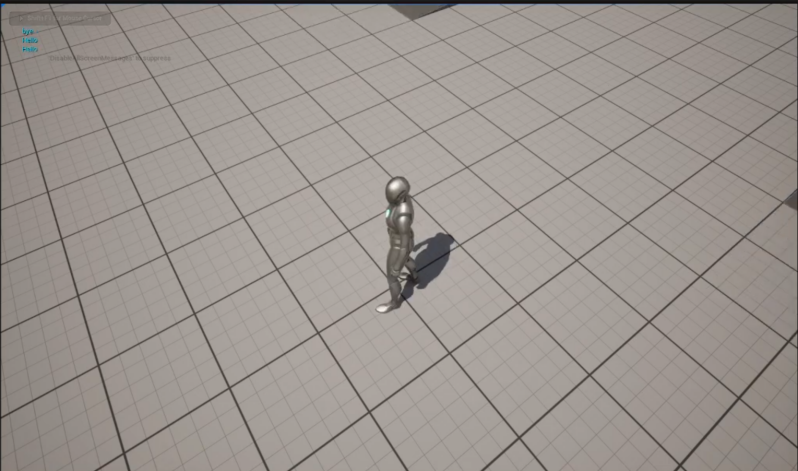
Built the first playable maze prototype and experimented with movement, layouts and level structure.
16–17 January 2025 – Research & Planning
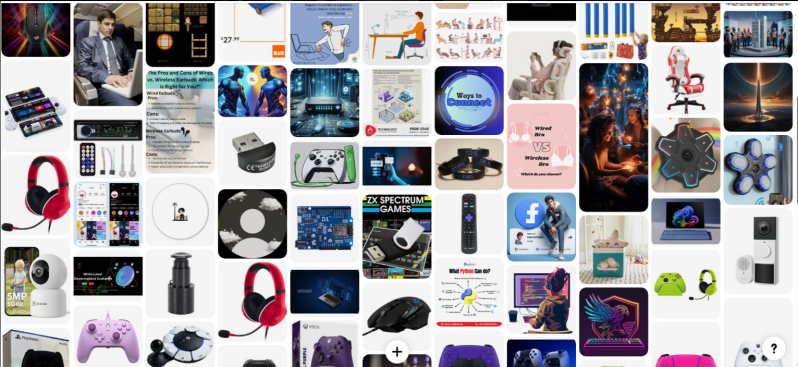
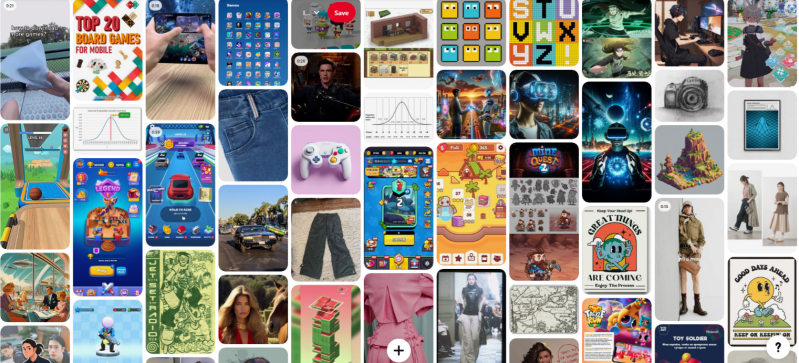
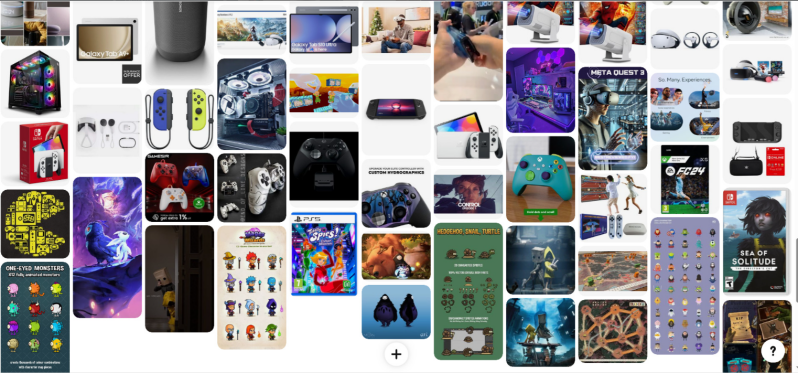
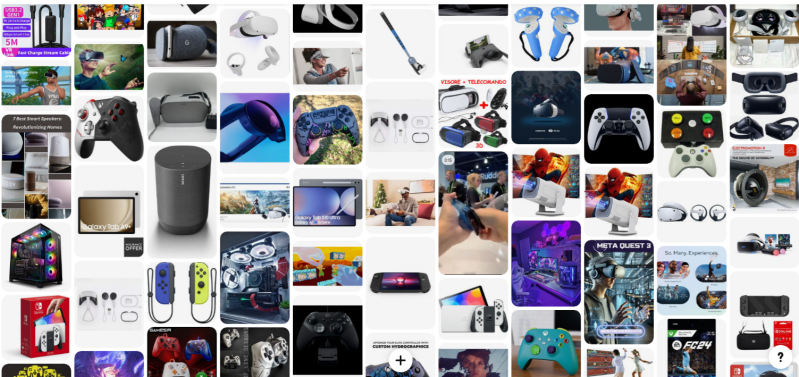
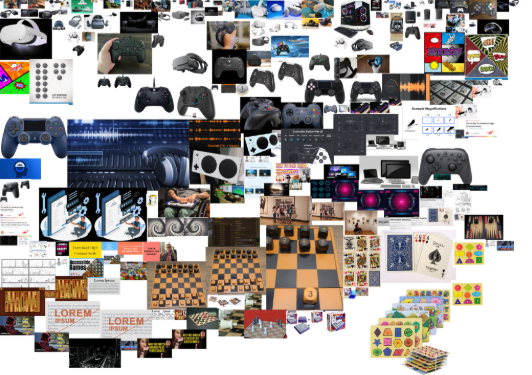
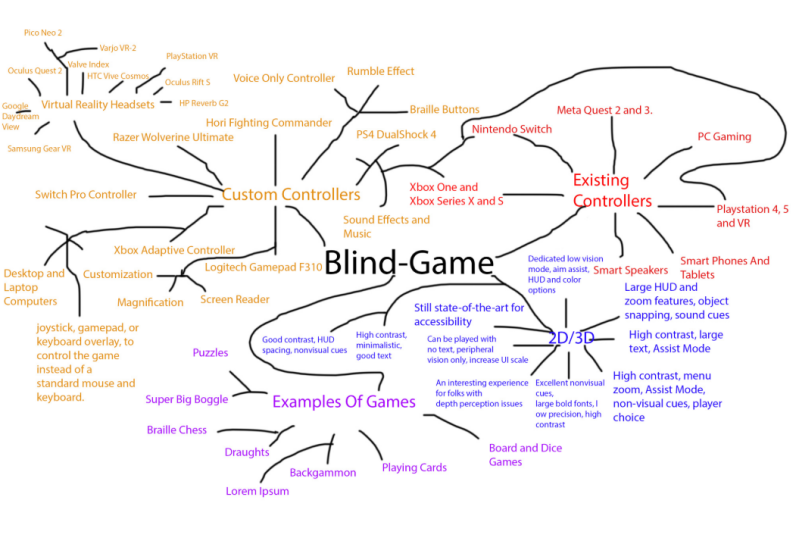
Researched accessible game design. Explored references and hardware options and planned the project's final direction.
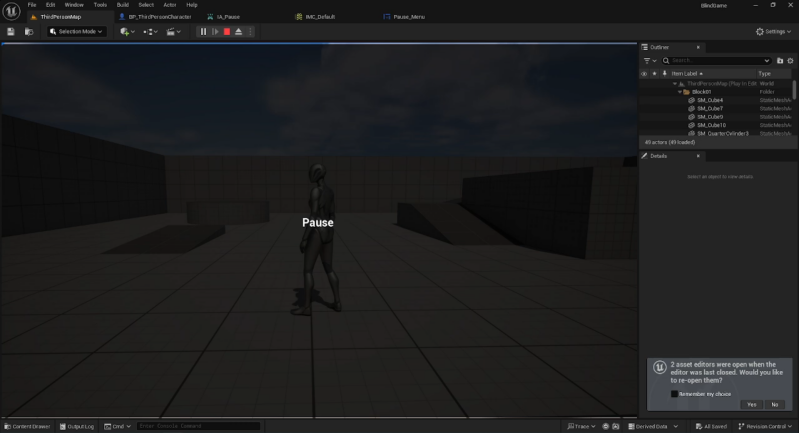
10 January 2025 – Initial Concept
Created the initial project and implementing the basic player controls and pause menu.
Gameplay Systems
- Directional Audio – Players navigate the environment by following the sound of music and allowing gameplay to be possible without relying on visuals.
- Haptic Feedback – Controller vibrations happen when a player hits the wall in the maze, providing an additional sense of awareness.
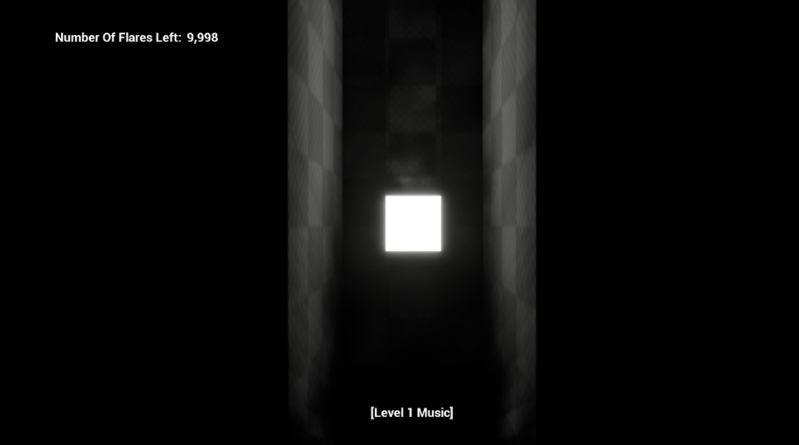
- Limited Flare System – A restricted visual mechanic that allows sighted players to briefly see where they are for a few seconds before going dark again.
- Subtitles – Text-based information that ensures deaf and hard-of-hearing players can still enjoy and play the game and allow them to know whether they are hitting a wall.
Design Thinking
The primary design theme of Through The Darkness was to create a game that blind and visually impaired players could complete, while also allowing sighted players to experience and have fun equally too. Accessibility was treated as the foundation of the gameplay rather than an additional feature, meaning every core mechanic was designed around alternative forms of feedback.
In my research into accessible game design, I found that combining audio and haptic feedback can support navigation and spatial awareness for blind players. Therefore, I designed the game around two primary senses: hearing and touch.
Music became the player's main navigation system. Instead of following visual markers, players follow the sound of music through each maze until they reach the end of the maze. This creates a simple but effective objective while encouraging players to build confidence using audio-based navigation.
Haptic feedback was introduced to help players know if they are hitting a wall during gameplay. When players collide with walls, vibration provides immediate physical feedback, helping them understand their position within the maze. Combining audio cues with haptic responses makes movement more intuitive and reduces frustration when navigating without visuals.
Although the game was designed primarily for blind players, I also considered players with hearing impairments. Subtitles provide important gameplay information, such as collision feedback, ensuring that essential information is communicated through multiple methods.
During development, I tested several gameplay approaches, such as first-person, third person and top-down perspectives, alongside free movement and grid-based movement. Testing showed that a top-down perspective with four-directional movement provided the clearest and smoothest navigation experience. First-person movement was too complicated to design without visuals, while grid-based movement felt restrictive and clunky. The final system offered smoother movement and more consistent control.
The flare mechanic was added following playtesting feedback. Players requested a way to help them if they become completely lost. To maintain the challenge of audio-based navigation, flares were limited. Unlimited flares were included only in the tutorial to allow players to learn the mechanic before progressing.
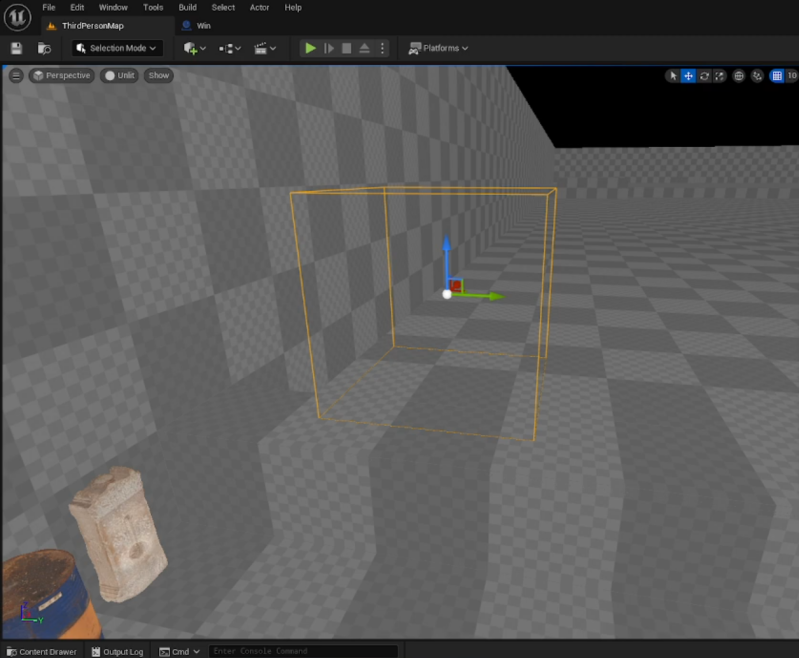
The minimalist visual style was a deliberate design choice. The player is represented as a white cube inside grey-box environments because detailed artwork would undermine the game being about what blind players experience when playing games. This approach also allowed faster prototyping and easier iteration during testing.
Level Progression
The game contains four levels designed around gradual difficulty progression:
- Level 1 – Tutorial: Introduces movement and core mechanics with unlimited flares.
- Level 2 – Easy: Introduces limited flares and more complex maze layouts.
- Level 3 – Medium: Increases maze complexity, requiring stronger reliance on audio and haptic feedback.
- Level 4 – Hard: Combines all mechanics into the most challenging maze.
This structure allows players to gradually develop confidence with the accessibility systems before facing the final challenge. The difficulty comes from mastering existing mechanics rather than constantly learning new ones.
The Idea
The idea of this game came from a lesson in my second year at college. We were learning about accessibility in games and why it was important. Our topic for the term was alternative controllers; this was where we were tasked to create a game but with a different way of using a controller. That could range from anything from a banana to a telephone. We had to make sure our game fitted both alternative controllers and accessibility. We were also tasked to test out a random game and try and play the game in a certain way to show why accessibility is important. When we got to the task of playing the game but with your eyes closed. The game I played at the time was a demo of Portal, that was available on steam. I had a miserable time playing the game as I didn’t know where I was going or where I was shooting or what I was doing. I recorded myself playing so that I can look back on myself playing the game. When I rewatched myself, I just saw that all I was going was going around, not even in circles and shooting random walls and not even actually progressing with the game. This made me feel sorry for blind people, as they would not be able to play games like these, as they have no way of knowing what they are doing. All they can do is hear the music and sound effects and feel for the haptic feedback on the gamepad while playing. That’s when I got the idea to centre my project on making a game exclusively for blind people, with the central mechanics of music, sound effects and haptic feedback, as they are the only things blind players can use when playing a game.
The whole idea of this game was to raise awareness for blind players and help sighted players experience what blind people experience when playing games.
Outcome & Achievements
Key Achievements
- Reached the Finalist stage in the 2025 BAFTA Young Game Designers – Game Making Award (15–18 category).
- Developed and released an accessibility-focused game in Unreal Engine 5.4.
- Completed development in approximately 3 months.
- Designed and implemented 4 fully playable maze levels.
- Published a playable build on Itch.io.
- Designed specifically for blind and visually impaired players, while remaining playable for sighted players.
- Implemented 4 core accessibility features:
- Audio-driven navigation.
- Haptic feedback system for collisions.
- Limited flare system.
- Subtitles for deaf and hard-of-hearing players
- Designed gameplay around music, sound effects, and controller vibration rather than visual navigation.
- Produced every aspect of development, including:
- Game Design.
- Accessibility Design.
- Blueprint Programming.
- Level Design.
- UI Design.
- Gameplay Testing.
Technologies
- Unreal Engine 5.4.
- Blueprint Visual Scripting for programming.
- Gamepad Controller for Haptic Feedback.
- Directional Audio (Headphones required to play).
- Windows PC.
Audio Credits
Music and sound effects sourced from OpenGameArt:
- hc
- MentalSanityOff
- KiluaBoy
- Tozan
- Hencefox
- Listener
- captaincrunch80
- Brandon75689
Award Recognition
- 2025 BAFTA Young Game Designers – Game Making Award Finalist (15–18 category). Through The Darkness was selected as one of the finalists from entries across the UK and recognised for its accessible, audio-driven gameplay concept.
Project Overview
- Engine: Unreal Engine 5.4
- Role: Solo Game Designer & Developer
- Duration: 8th January 2025 - 19th March 2025.
- Platform: PC (Windows) — released on Itch.io
- Project Type: Accessibility-focused maze game
Hero Section
Through The Darkness is an accessibility-focused game developed in Unreal Engine 5.4. It was nominated for the 2025 BAFTA Young Game Designers Game Making Award, the game challenges players to navigate four dark mazes using directional audio and haptic feedback. I was responsible for every aspect of development, including the game design, blueprint programming, level design, accessibility design, UI, audio integration, playtesting, and polishing.
Click this link to play Through The Darkness Now! Through The Darkness by Rubix Studios